
First Aid Training Across the Wheatbelt
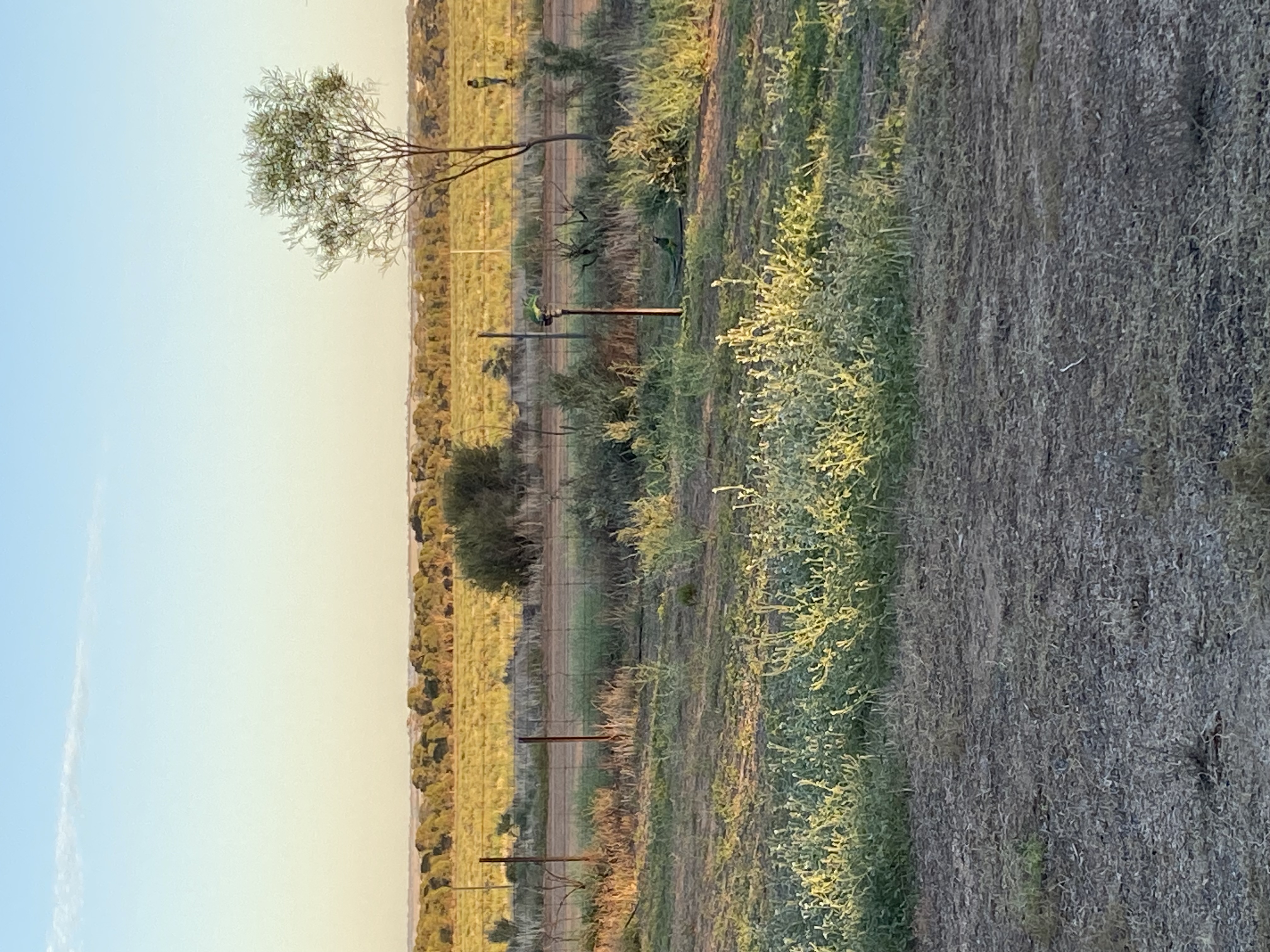
The WA Wheatbelt is one of the world's great grain growing regions. It is also a place where the distance to the nearest hospital matters. On a working farm or grain operation during harvest, when something goes wrong the crew on site are the first response. They may also be the only response for a significant stretch of time.
First Aid training for Wheatbelt communities needs to be practical, accessible, and relevant to the actual conditions people work in. That means training that comes to your property when you need it, or scheduled sessions in town when it suits your calendar.
How Training is Delivered
Scheduled Sessions
Public sessions are held at venues across the region at set dates. Book individual places or small groups into upcoming sessions. Check the calendar for current dates and locations.
On-Site Delivery
For farms, grain operations, large employers, and businesses with teams to train, we come to you. Training is run at your property or premises at a time that suits your operation.
Southern Cross
The trainer behind FirstAidCertification.net.au, Britt, has roots in Southern Cross that go back further than she does. Her grandmother Maxine ran the kitchen at the mining camp there for many years. Britt's aunts and cousins worked with her. Britt worked there herself for a stretch, learning alongside the family the way she had always learned — by showing up and doing the work.
Southern Cross has that quality that a lot of Wheatbelt towns share: it is a place where everyone knows each other, and where the families that have been there for generations are woven into how the town works. Britt has experienced that first-hand — she still gets mistaken for her cousin when she goes back. It is that kind of place.
That connection to this part of WA is not incidental. It is part of why training delivered here by this trainer feels different to a provider flying in from Perth with a generic program. The Wheatbelt is a region Britt has history with. The people here deserve training that reflects that.
Why First Aid Matters in Agricultural Work
Farming is One of Australia's Most Hazardous Industries
Agricultural work consistently ranks among the highest-risk industries in Australia for workplace injuries and fatalities. The Wheatbelt context adds specific factors that make current First Aid training more than a compliance requirement.
- Farm machinery incidents — augers, header combines, tractors, and grain handling equipment
- Chemical handling — herbicides, pesticides, fumigants, and fertilisers
- Heat stress and dehydration during harvest and summer operations
- Livestock handling injuries — crushes, kicks, falls
- Grain entrapment — entering silos and bins carries serious asphyxiation risk
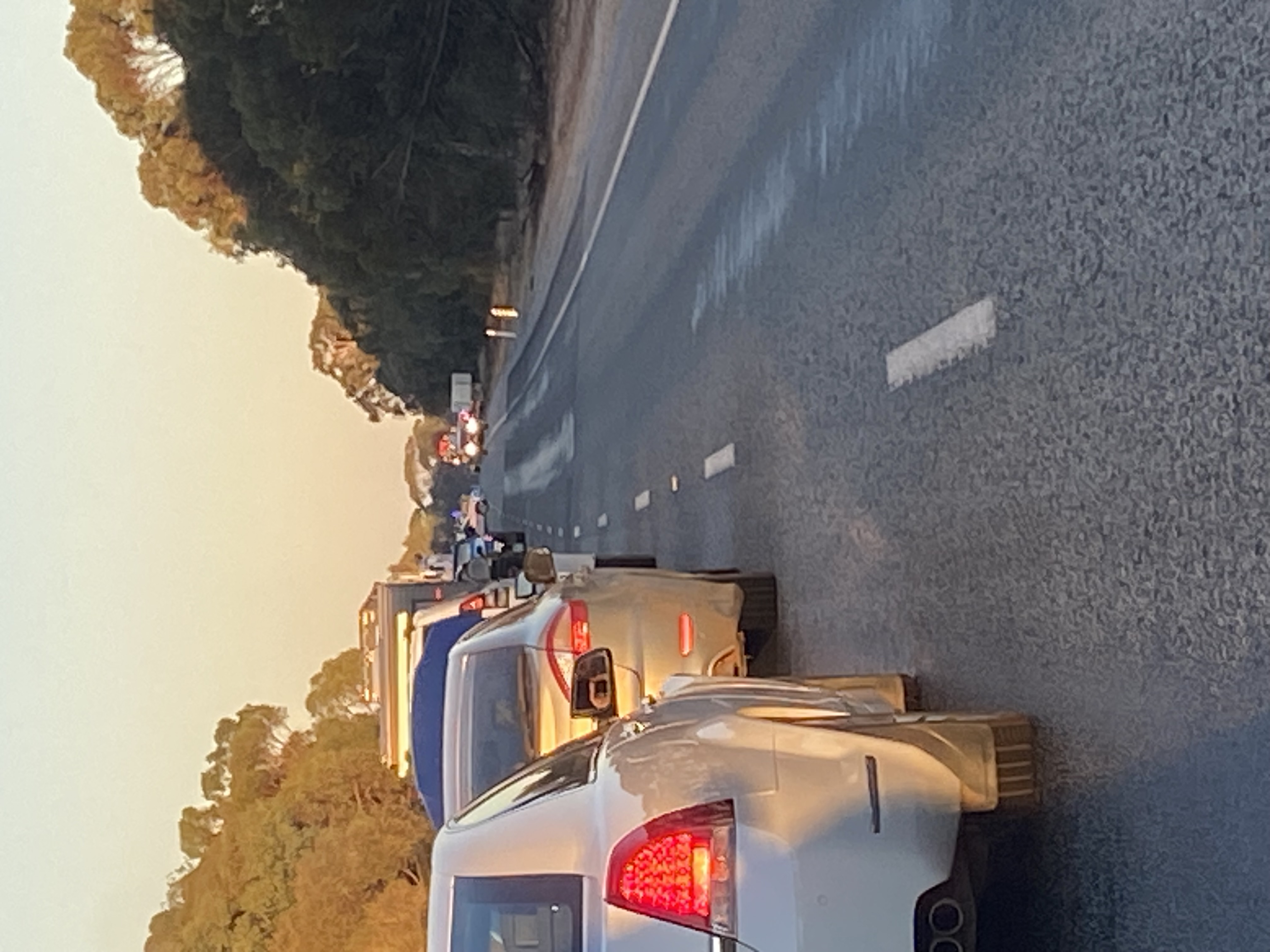
- Remote worksites where the nearest ambulance may be 30 to 60 minutes away
- Seasonal workforce including young or inexperienced workers during harvest
Courses Available
All five nationally recognised HLTAID units are available across the Wheatbelt. For farm and agricultural operations in more isolated locations, HLTAID013 is worth considering alongside the standard HLTAID011.
Provide Cardiopulmonary Resuscitation (CPR)
Provide First Aid
Provide First Aid in an Education and Care Setting
Provide First Aid in Remote or Isolated Sites
Provide Advanced First Aid
Who Should Book
How Training Works
Blended Learning Format
Whether you attend a scheduled session or book on-site delivery, the format is the same. Online theory is completed before the session date, at your own pace. The practical component covers hands-on skills, scenario work, and individual assessment.
- Complete online theory before your booked session date
- Attend the practical session at a scheduled venue or your property
- Hands-on scenarios relevant to your industry and environment
- Individual assessment for every participant
- Nationally recognised certificate issued on completion
- Accepted by employers and industry bodies across Australia
On-Site Training for Farms and Businesses
If your property or business has a team that needs training, on-site delivery is often the most practical and cost-effective option. There are no travel costs for your staff, no lost days away from the operation, and the training can be scheduled around your harvest calendar, cropping program, or business requirements.
Harvest season is a particularly important time. A full crew on the farm for a six-week window, often including young or first-season workers, is exactly when current First Aid skills matter most. Block a training day in before or during your program.
Towns and Communities We Serve
Training is available across the WA Wheatbelt. Key towns and communities include:
If your town or property is not listed, contact us. On-site delivery can be arranged across the broader Wheatbelt region.
Common Questions
Which First Aid course is recommended for farm workers?
HLTAID011 Provide First Aid is the standard requirement and covers the full range of First Aid skills needed for most agricultural workplaces. For operations that are genuinely remote — where the nearest ambulance is more than 30 minutes away — HLTAID013 Provide First Aid in Remote or Isolated Sites provides extended skills for managing a patient until emergency services arrive. Both are available.
Can training be scheduled around harvest?
Yes. On-site training is scheduled directly with your operation. Harvest is one of the best times to prioritise training because your full crew is on the property and workplace risk is at its highest. Get in touch with your preferred window and we will work out a date that fits.
How does the blended learning format work for people in rural areas?
The online theory component is completed before the session date on any device with an internet connection. It can be done at your own pace over several days. The practical session is then held at your property or a nearby scheduled venue. There is no requirement to travel to Perth or a major centre.
How often does certification need to be renewed?
CPR is recommended to be renewed every 12 months in line with Australian Resuscitation Council guidelines. Full First Aid certification is recommended every 3 years, with CPR updated annually within that cycle. For WorkSafe compliance, check your specific industry requirements.
Can we train the seasonal harvest crew as a group?
Yes. Group training for seasonal crews is one of the most common enquiries from Wheatbelt operations. Get in touch with your expected crew size and preferred timing and we will arrange a session at your property before or during your harvest program.
Is the training relevant to grain handling and silo hazards?
First Aid training covers emergency response to the kinds of incidents that occur in grain operations — crush injuries, chemical exposure, heat emergencies, and respiratory incidents. Grain entrapment specifically involves asphyxiation risk and requires emergency services; First Aid training covers how to respond while waiting for help and how to keep yourself and others safe at the scene.
Book First Aid Training in the Wheatbelt
Check upcoming scheduled sessions or enquire about on-site training for your farm, crew, or business across the WA Wheatbelt.